




My experience of giving up sweets. No to sugar addiction!
A strong craving for sweets is a problem familiar to many modern women. And the consequences of abusing sweet things include excess weight, tooth decay and many other problems, which in our minds may not even be connected with those lovely cakes and sweets. In this article I will tell you about my experience of getting rid of sugar addiction.

The sweet life
In childhood my mother did not give me sweets until I was 3, and I did not want them. I perceived sweets as something inedible, and if someone treated me to them, I took them to my mother. Jams seemed too cloying to me, as did most other sweet things. If we ate cake on a holiday, it was enough for me to eat one slice slowly, in small spoonfuls, with several cups of tea. As a result, until I was 13 I knew nothing of such a scourge as tooth decay.
At university everything changed — sweets became more available and tastier. And during pregnancy the craving for sweet things awoke and reached unimaginable proportions. I ate without limiting myself much. The result — ruined teeth, excess weight, swelling. At the time I could not believe that cakes and sweets were to blame for it all. My weight did not go down, my appetite was constantly strong. And giving up the evening ritual — tea with my husband and something tasty — was very hard.
One day I read a well-argued article about the harm of sugar and decided to make use of the advice given in it. For almost a year I did not eat sweet things at all, and did not want to. But in my next pregnancy it all started over again.

I ate sweet things on this schedule: a spoonful of sugar in my porridge in the morning, 2 gingerbread biscuits, a glass of sweet compote, 1 sweet. Plus tea gatherings a couple of times a week. It seems not very much, and yet even that was enough to give me a wolfish appetite, a loss of strength, dizziness, weight that would not come off, a dry mouth. Twenty grams a day — that is how much sugar our body can process without harm to itself. That is roughly one (!) sweet.
A few months ago I decided to give up sweets again and to transform my habit into something positive once and for all.
Changing habits
Here are some simple tips that will help you free yourself from this harmful attachment. Sugar dependence passes in 21 days, and often sooner. After that period you will not want it at all. You will feel full more quickly and your health will improve.
- Do not keep sweets in the house at all, do not go near the shelves with sweet things in shops;
- If someone is eating sweets next to you, perceive it simply as a pretty picture — flowers or butterflies, which we do not eat. Do not even think that a sweet or a biscuit could be put in your mouth;
- No sweeteners and no fructose, they are no less harmful;
- It is not at all obligatory to eat sweet things “to keep others company”. You can drink tea together unhurriedly and with enjoyment, without touching the sweets. On holidays allow yourself a small piece;
- If you badly want something sweet, it is better to eat a normal portion of food or drink a glass of water;
- White bread affects the body in roughly the same way as sweets;
- The overall balance of your diet matters. Shift it from predominantly carbohydrate towards proteins and fibre, complex carbohydrates.
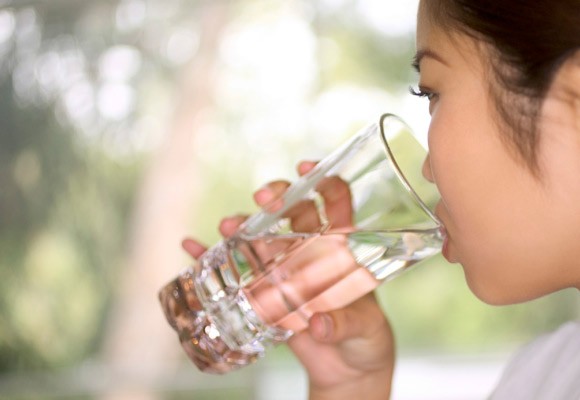
It is useless to forbid yourself to do something. It is better to transform the habit into another, useful action. Your hand reaches for that special cupboard (even if you did not buy it yourself — things happen: someone gave it to you, your husband brought it home) — do something else instead, for example:
- Drink a glass of water, possibly with vitamins. Drink no less than 2 litres a day;
- Make yourself a big mug of tea in a beautiful mug, for example flavoured teas or teas with additions. You drink it, breathe in the aroma, and it feels as if you did not just drink plain tea;
- At first you can eat substitutes for sweets: a handful of nuts with honey. Or dried fruit;
- Put on a face mask. (Sweet things are often a substitute for taking care of yourself.) Apply cream. Do your nails. Go and take a shower, or go to sleep, for that matter;
- I also became keen on eau de toilette, especially samples, so that there is variety. Wrapped in a sweet scent, you no longer want to eat sweet things;
- A good occupation for a woman is to take up hair braiding, and instead of a pastry spend the time creating a fashionable hairstyle for yourself;
- If it is really hard, simply replace all sugar with honey. I sometimes bake sweet things for the family, and they can be made with honey.
When a man reaches for a glass, a woman reaches for chocolate
Various causes can lie behind sugar addiction: the need for closeness and love, the wish to take care of yourself, and an inability to tell hunger from thirst. Perhaps you deny yourself all the pleasures of life to such an extent that sweet things are the only loophole for feeling joy?
If you simply give up an old habit without finding a worthy replacement, the empty place will quickly be filled by some other harmful way of spending time. In my case the bad habit of eating sweets was replaced by a useful one — taking care of myself.
An unrestrained craving for sweet things is just as serious and harmful a dependence as smoking, alcoholism or drug addiction. I noticed this very clearly while observing my children. They eat something sweet — expect a tantrum, whining or bad, hyperactive behaviour soon after. And begging for a new dose. When we completely excluded sugar from our son’s diet, he became far calmer. Sugar is contraindicated for nervous children.
Some people deceive themselves with the idea that the brain needs sugar. This is not so; on the contrary: sugar depletes the brain. Without sweet things it works far better and more productively.
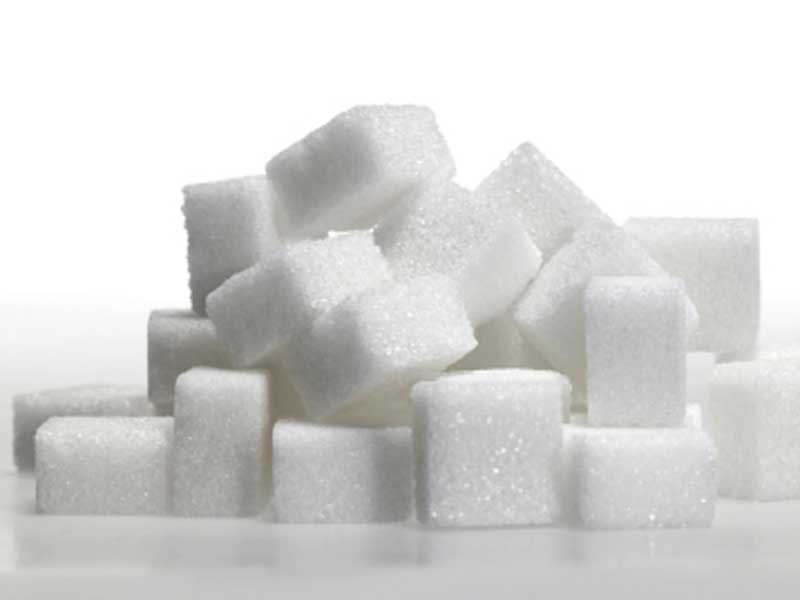
Get into the habit of pampering yourself. Instead of a box of chocolates it is better to buy new fashionable eyeshadow or tasty herbal tea. Instead of half an hour sitting on the internet chewing biscuits, it is better to lie in the bath or go for a walk. Do not reward yourself with something tasty! This habit will take hold for a long time (remember, that is exactly how dogs are trained, by developing a conditioned reflex). Think up other ways of rewarding yourself: a new film, a magazine, doing sport, a trip somewhere. I especially wanted to reward myself with something sweet after children’s tantrums, since a young mother is limited in the time she can set aside for herself and for rest. But tantrums are also far easier to get through without eating away the stress.
I have not eaten sweet things for 2 months now, and in that time, without any particular effort or going hungry, 5 kg have gone; I have a lot of energy, a wish to move, and the low mood and the feeling of hunger that would not let me lose weight have gone.
I wish everyone health, slimness and beauty!
And finally a few quotations explaining the mechanism by which sugar acts in the body.
“It is generally believed that people with a sweet tooth are nice but weak-willed. Well, they cannot resist a bar of chocolate or a tub of ice cream, what can you do.
Carbohydrate dependence now means the same thing as alcohol dependence. It is an illness. Sugar addiction arises because of a metabolic disorder, and increased activity of the pancreas contributes still further to the appearance and development of dependence on carbohydrates.
Fast-absorbing carbohydrates are considered fast precisely because they are instantly absorbed into the blood and cause a sharp release of insulin. Insulin delivers glucose to all the cells of the body, thereby causing a feeling of joy and a surge of energy.
All of this is fine, of course, but it is far better for the body if glucose is delivered to the cells evenly rather than in such surges. An excess of glucose is the main cause of excess weight; the body simply does not know how to get rid of it and stores it as fat deposits. Hence the unwanted kilos and health problems.
Dependence on sweet things
Insulin is produced before eating, thereby stimulating the appetite still further, and immediately after each meal.
How many carbohydrates your breakfast contained, for example, will determine how much insulin is produced before lunch. So if you ate something sweet for breakfast (tea with sugar and a bun, or even just a glass of juice), just a couple of hours later you will feel very hungry.
If for lunch you decide to eat meat or fish (protein food), you will not feel full even after a kilogram of food, because the insulin that has been produced demands carbohydrates. That is why even after a substantial meal it seems that something is missing and your hand reaches by itself for a sweet fizzy drink and a pastry.
The insulin has already been produced, it needs to find itself work, and until it is given carbohydrates the feeling of hunger will not leave you in peace.”
Quoted from: http://ivona.bigmir.net/health/diet/diets/305120-Dieta-dlja-ljubitelej-sladkogo
“Perfectly refined white sugar from cane or beet contains no proteins, minerals, vitamins or fibre. It is more than 99% pure simple carbohydrate, more like a chemical drug. Once in the body, it is quickly turned into glucose and passes into the blood without the participation of digestion. It is absorbed into the body through the bloodstream so quickly that it can require an excessive amount of insulin, which leads to a drop in blood sugar to a dangerously low level, causing a condition called hypoglycaemia.
This condition shows itself as a loss of energy, fatigue, slowness of movement, anaemia, dizziness, a cold body, nervousness, low blood pressure, rough skin, blackouts, poor eyesight, cyanosis, hair loss, depression without cause, and others. Many people suffer from this illness and do not even suspect it. At first glance it may seem absurd: how can a person consuming on average about a kilogram of sugar a week end up with below-normal blood sugar? And yet consuming too much sugar does indeed lead to a decrease in its level in the blood.
When a person suffering from hypoglycaemia eats a sweet, the pancreas begins to release insulin, lowering the level of sugar in the blood and depleting the reserves of glycogen (the source of easily available energy stored in the liver). As the glycogen runs out, the liver begins to send a signal to the brain seeking help — and “suddenly” the hypoglycaemic feels a strong desire to eat something sweet. If sugar enters the body again, the cycle repeats.”
Quoted from: http://belkon.ru/content/view/562/54/
Source: http://www.matrony.ru/moj-opyt-otkaza-ot-sladkogo-net-sladkogolizmu/#ixzz33lxTkljK
If you want me to help you over 3 months to get rid of your dependence on sweet things, to help you love yourself and learn to take care of yourself and give yourself joy in other ways, and to have me personally support you in individual coaching by Skype or phone from any city, fill in the form at the link
In the form describe your problem, what result you want to achieve, and what time is more convenient for a preliminary consultation, and I will get in touch with you, tell you whether I am ready to take you into coaching and send you the details for paying for the consultation. You can read the details about coaching here https://innashukshina.eu/en/coaching/
Inna Shukshina, inspiring coach and clinical psychologist
Leave a Reply